How We Manufacture Custom Bags
Seven stages, in this order, every time. Knowing where your order sits in the sequence is the difference between a calm delivery and a surprise.
A workshop, not a trading desk
Production happens in our own workshop in Huadu, Guangzhou. Patterns are cut and bags are sewn here; specialist processes such as embroidery are carried out by nearby partners we work with directly.
That arrangement is deliberate. It keeps sampling fast, because a change discussed in the morning can be tested on the bench the same day. It also means we can see a problem — a shade that shifted, a zip that pulls awkwardly — while it is still cheap to fix.
What it does not mean is that we can do everything. Where a process sits outside what we control, we say so before quoting rather than after.
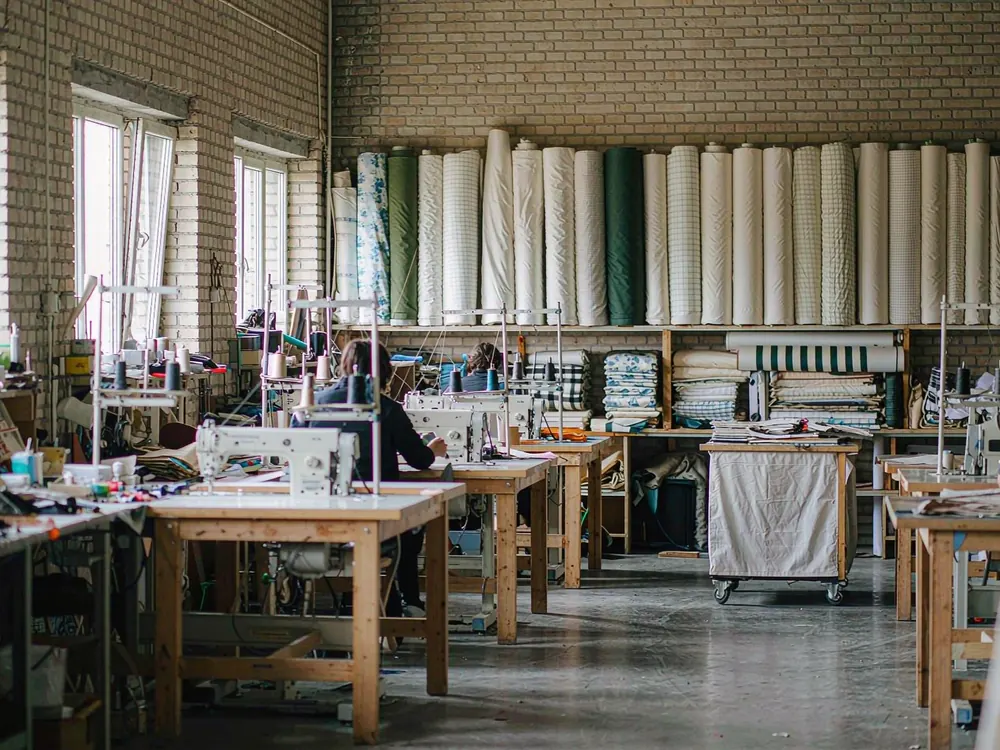
M-01 / WORKSHOPWorkshop floor
Seven stages from fabric to carton
Material preparation
Fabric is inspected on receipt for shade, width and defects, then relaxed before cutting. Rolls that do not match the approved standard are held back rather than worked around.
Cutting
Pattern pieces are cut and bundled by size and colourway so a batch stays consistent. This is where a loose tolerance becomes a visible problem later, so the cut is checked before sewing starts.
Sewing
Body, lining and panels are assembled in sequence by station. Stitch density and seam construction follow the approved sample.
Logo application
Embroidery, print or labels are applied at the position confirmed during sampling. First pieces are checked against the reference before the run continues.
Assembly
Zips, pulls, buckles, straps and studs are fitted and finished. Hardware is the most common failure point in use, so it is checked by hand, not by eye alone.
Quality inspection
Finished pieces are compared against the approved sample: dimensions, stitch quality, logo position, hardware function, cleanliness. Rejects are separated and counted.
Packaging & delivery
Packing follows the agreed format — polybag, retail-ready or event pre-packed — with carton marks and labels, then handed to your forwarder or ours.
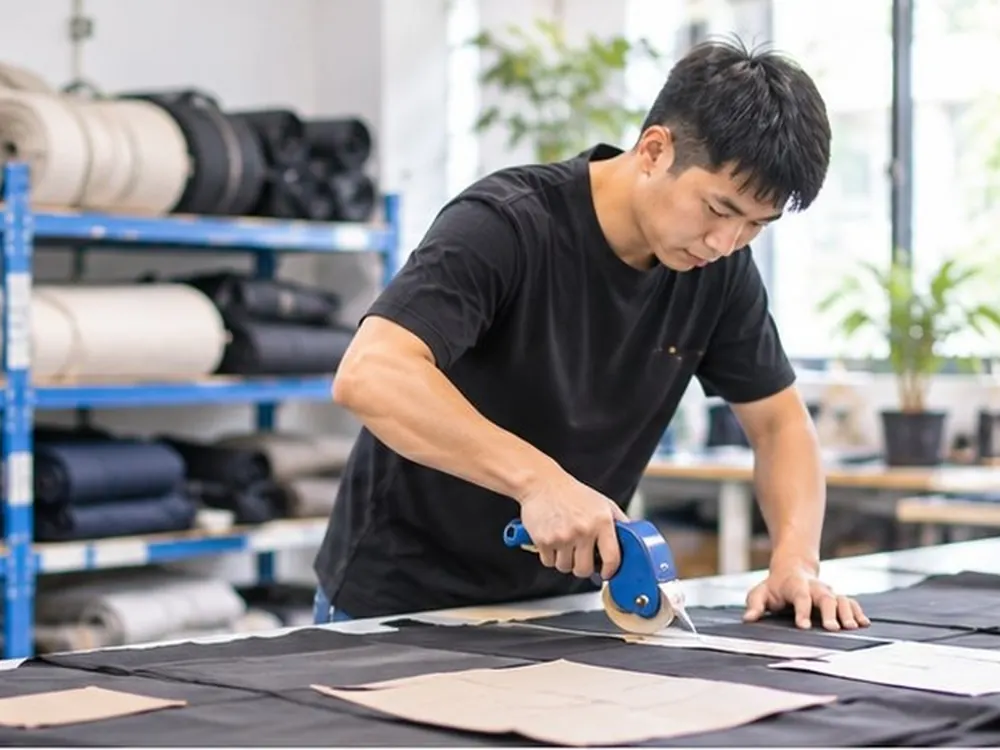
M-02 / CUTTINGCutting
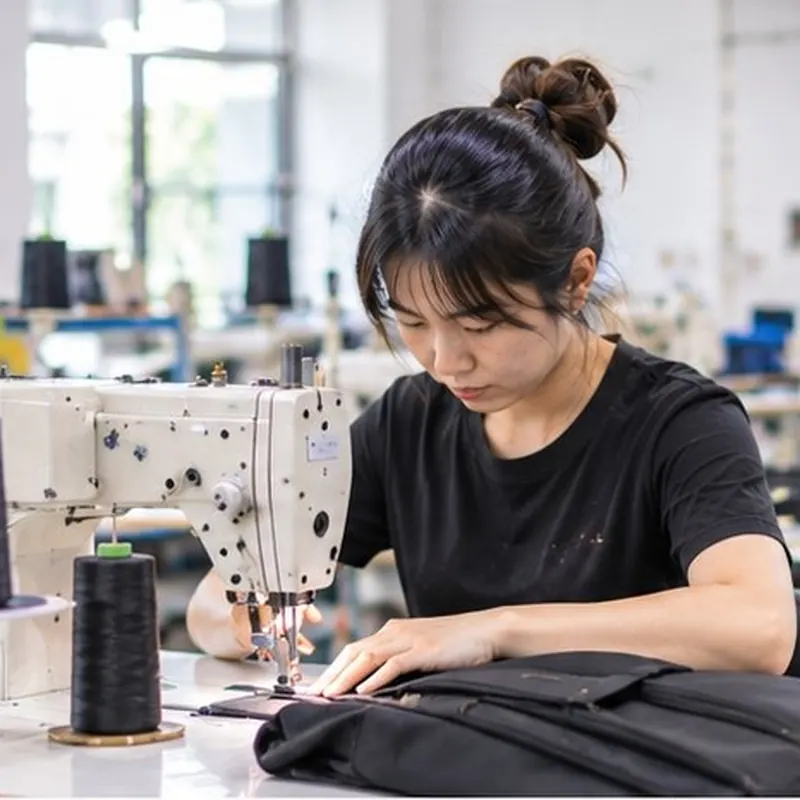
M-03 / SEWINGSewing
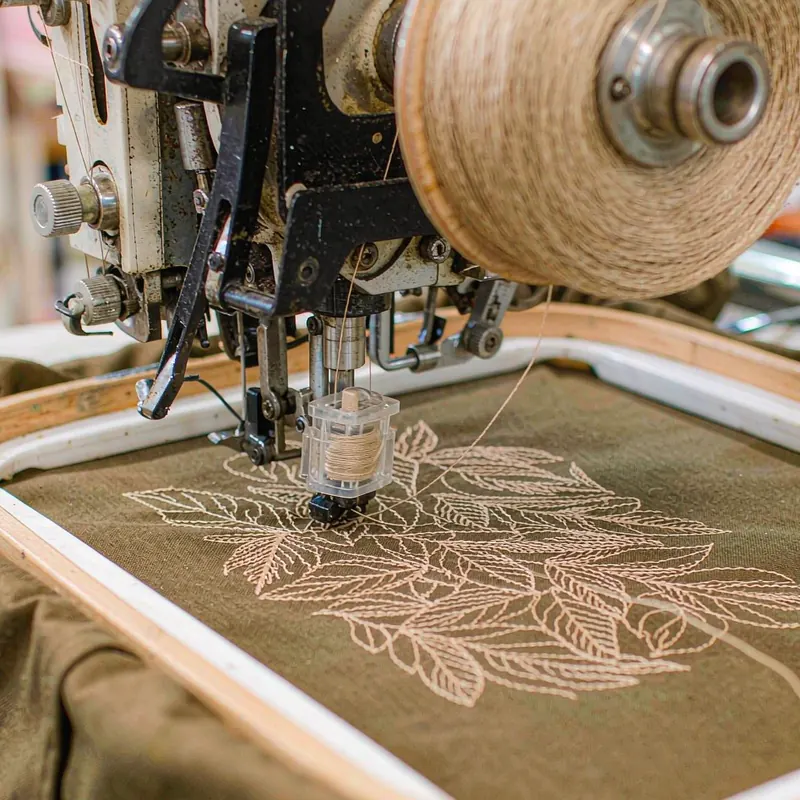
M-04 / LOGOLogo application
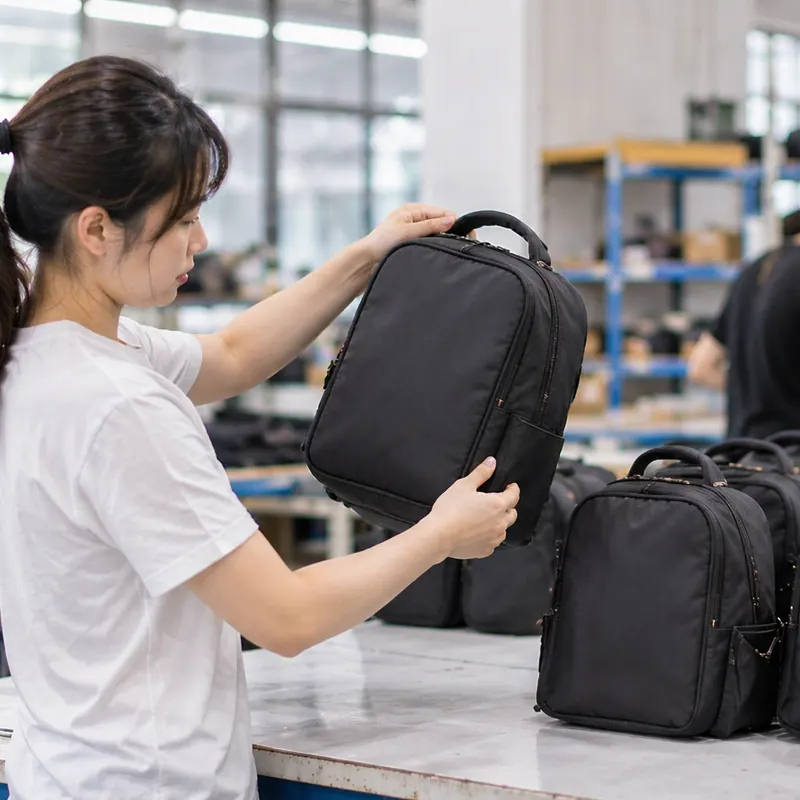
M-06 / QCInspection
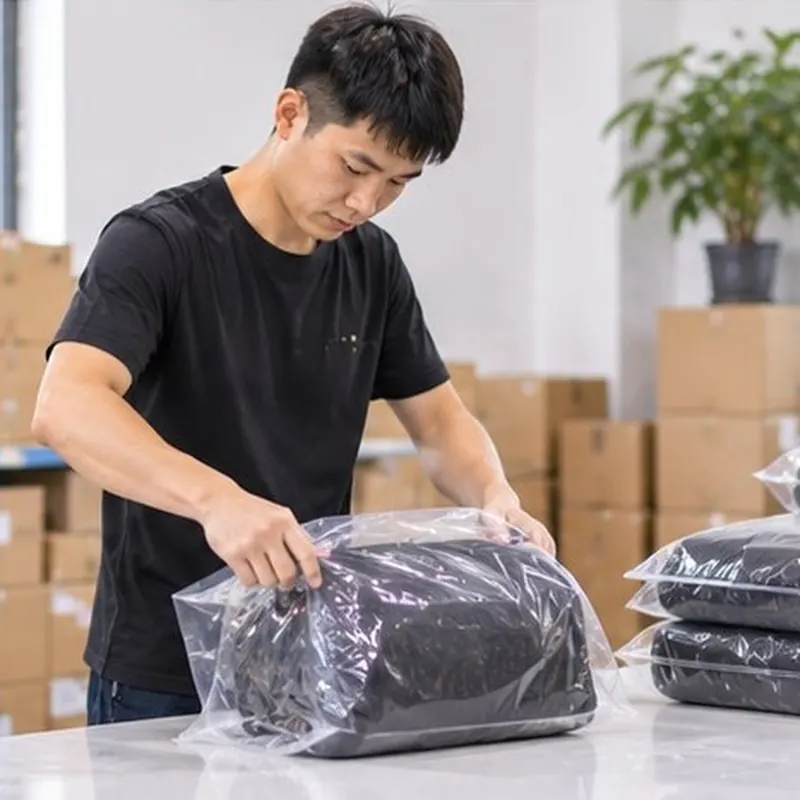
M-07 / PACKINGPacking
How quality is checked
- First-off pieces inspected before a batch continues
- In-line checks during sewing, not only at the end
- Finished units compared against the approved sample
- Hardware function tested by hand on every piece
- Rejects separated, counted and reported
- Photo record of the finished batch before packing
About the photographs on this page
Workshop images on this page are AI-assisted renders of our production stages. Photographs of our own floor are being taken and will replace them — ask us for current workshop photos any time.
Ask about production for your order
Tell us the style, quantity and deadline. We will tell you what is realistic, including where the schedule is tight.