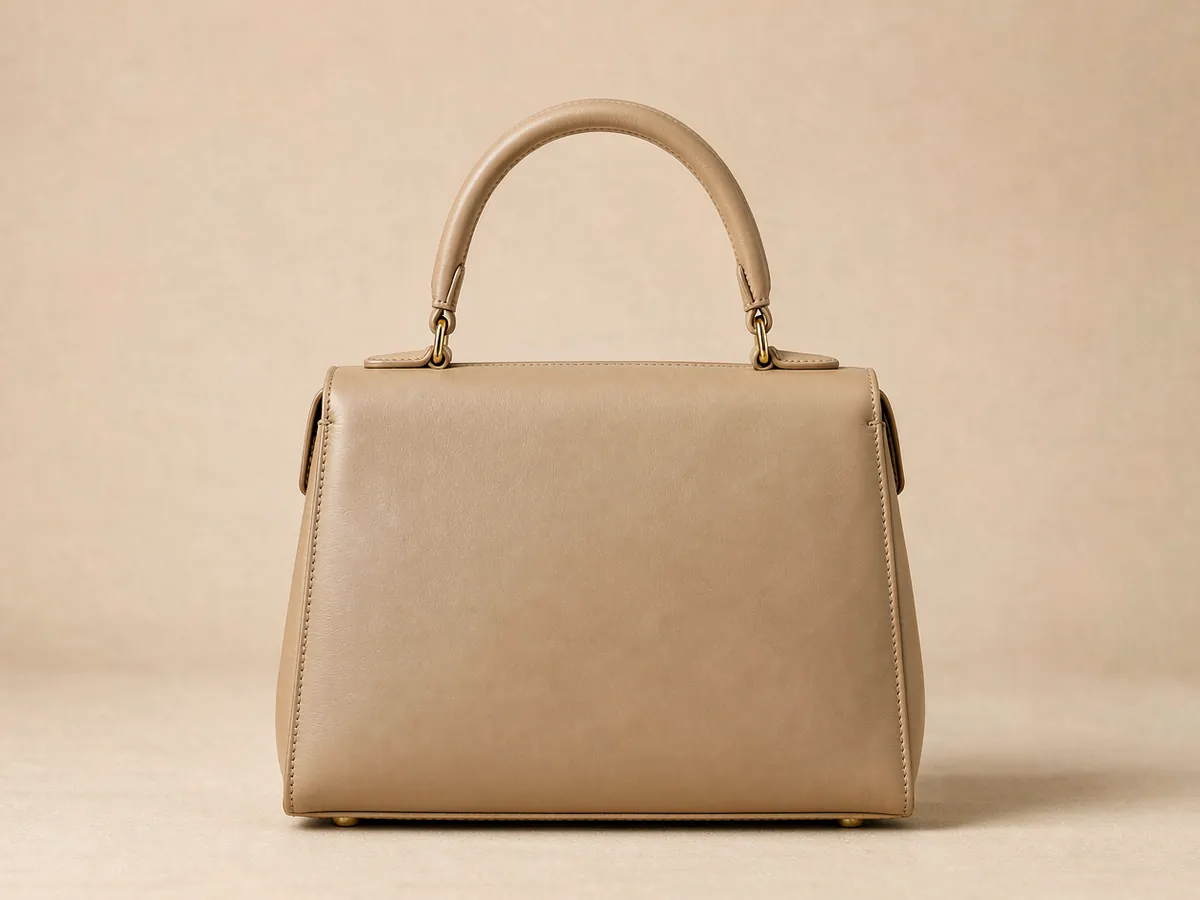
LE-01
Custom Structured Leather Handbag
Architectural top-handle silhouette with reinforced panels and a clean, logo-ready face.
MOQ on requestOEM / ODM
Leather bags are judged by their line, their edges and their hardware. Those are construction decisions, made on a sample and settled before a single bulk cut.
Leather is unforgiving. A seam that would disappear on canvas stays visible on a hide, an edge left unfinished will fray, and a soft leather will not hold the structure a hard case would. Developing a leather bag is therefore a conversation about how the material behaves as much as how it looks.
We work across structured top-handle bags, soft crescent and hobo shapes, quilted chain bags, buckets and saddles. For each, we set the panel construction, the interfacing, the edge finish and the hardware to your brief. Leather type, colour and grain are chosen from physical swatches rather than a screen, because hides vary between lots.
LE-CATLeather Bags range
Architectural top-handle silhouette with reinforced panels and a clean, logo-ready face.
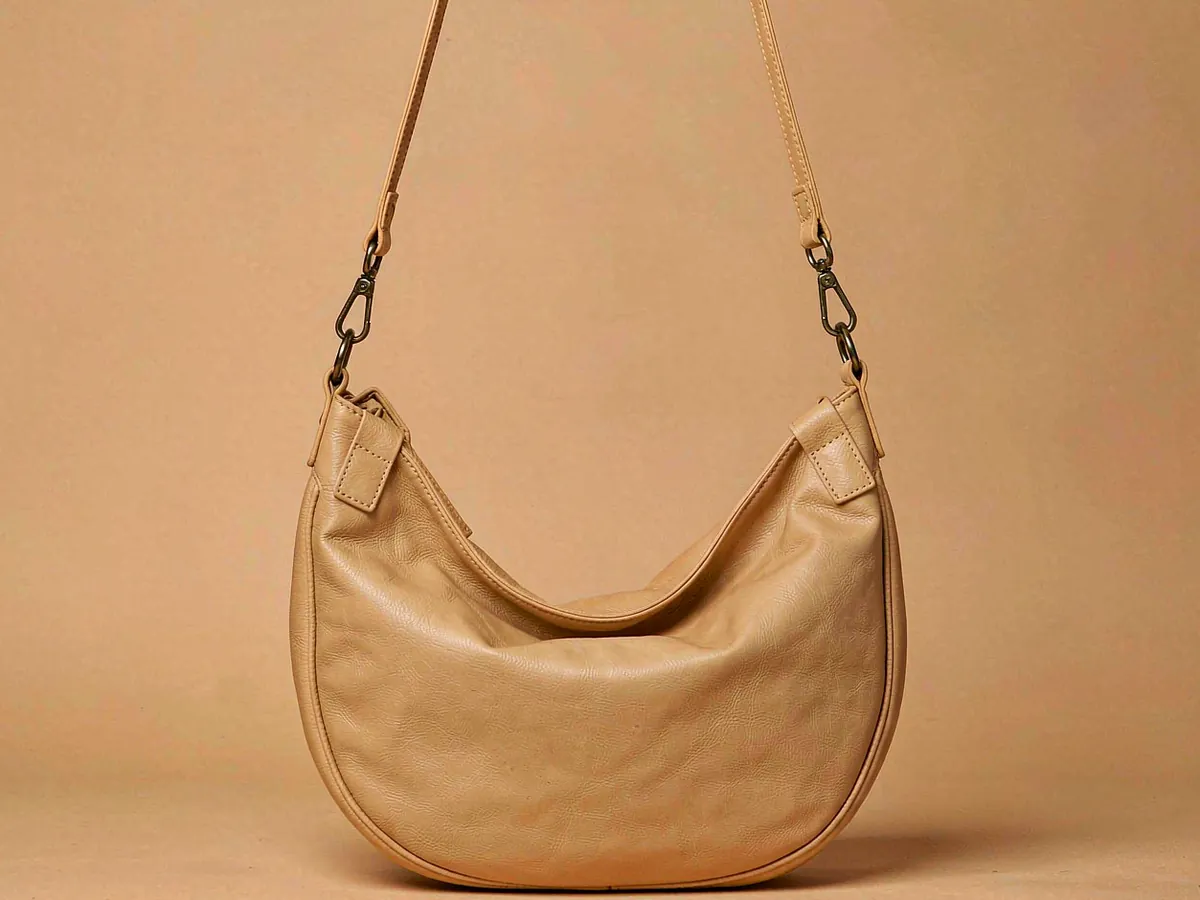
Curved shoulder bag with a relaxed body drafted to keep its volume when worn.
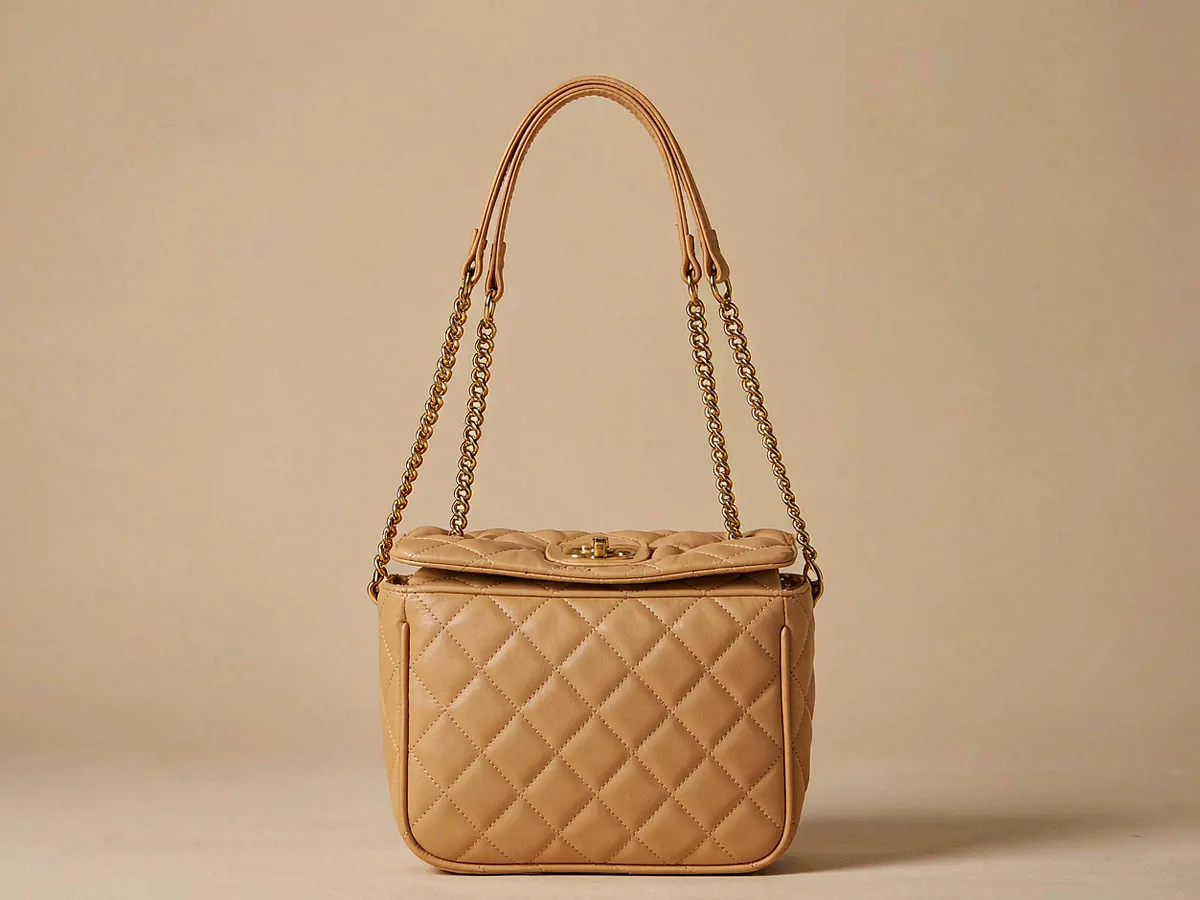
Even diamond quilting with a metal or leather-threaded chain, finished in one hardware tone.
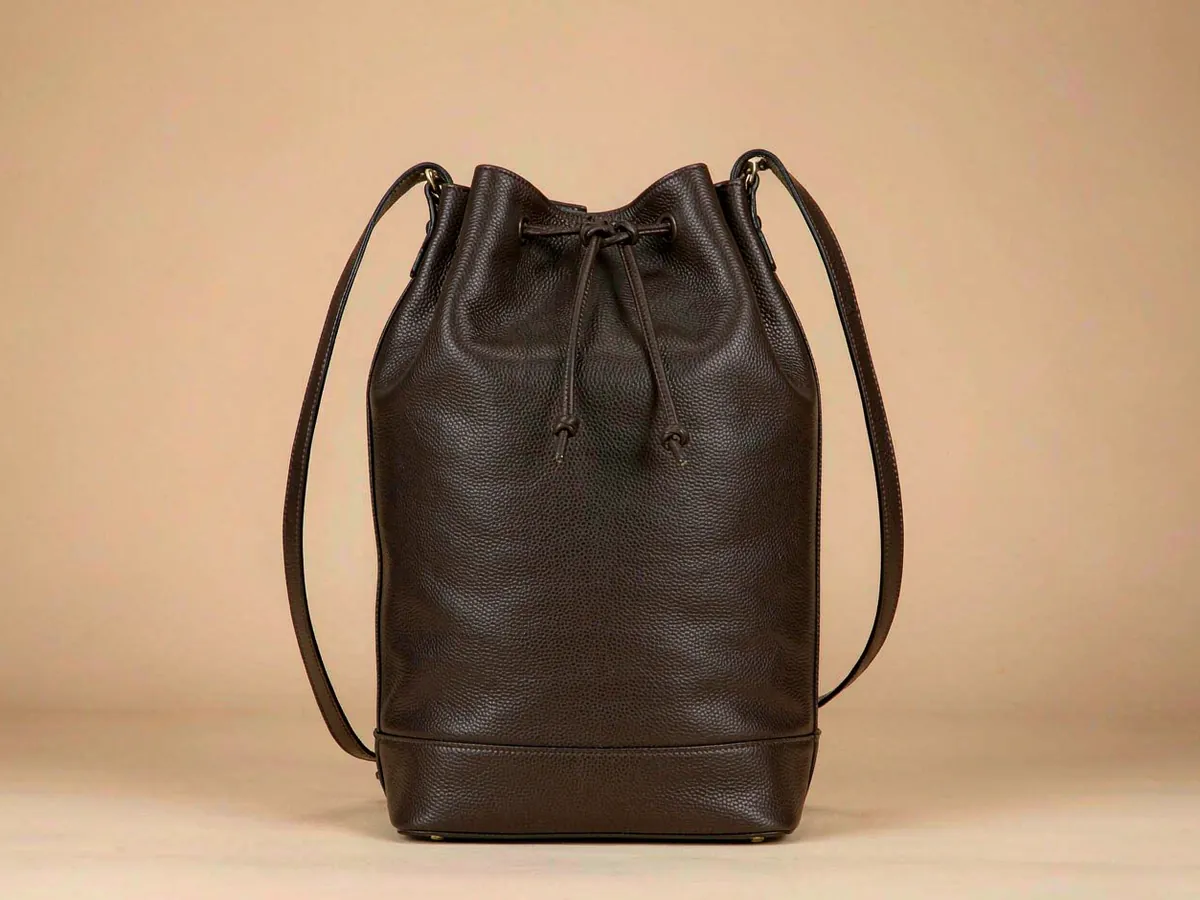
Drawstring closure with a reinforced flat base so the bucket stands upright.
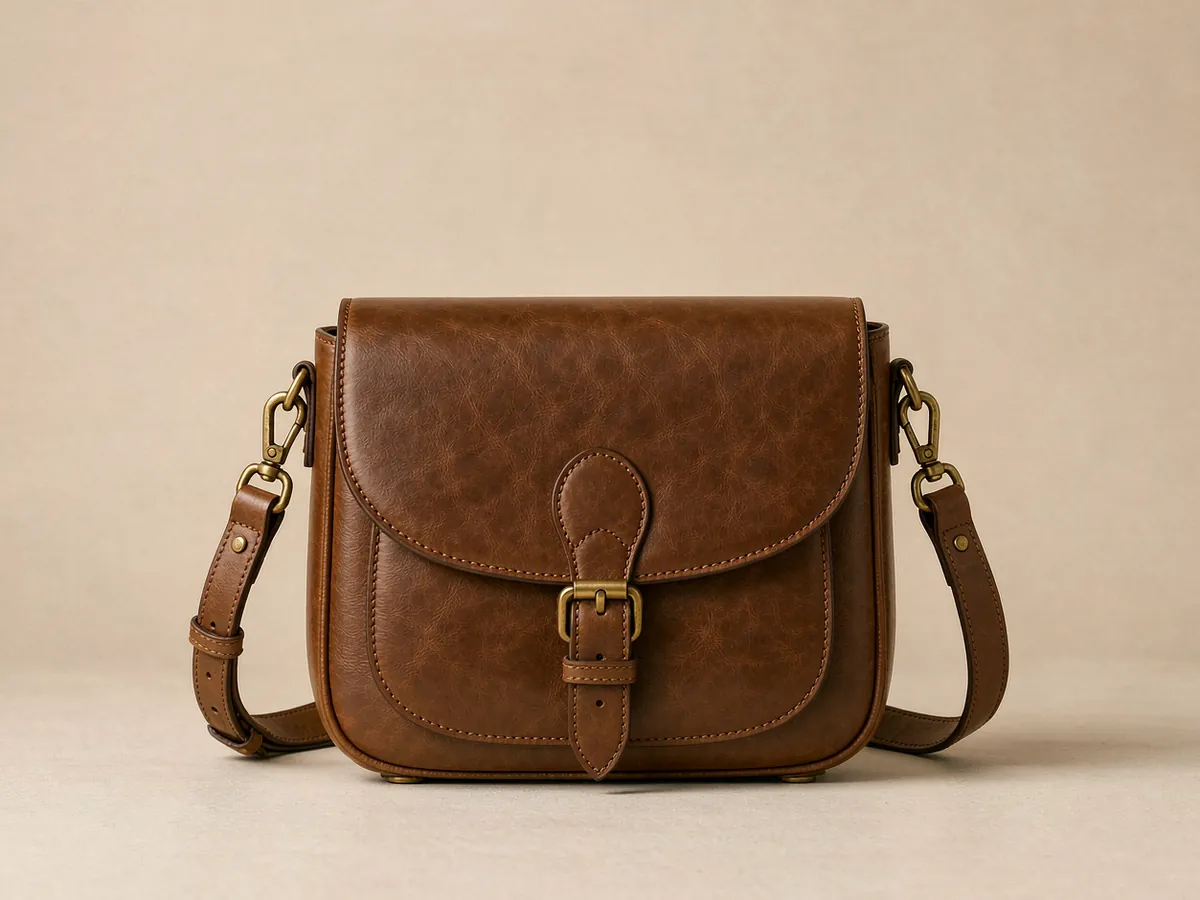
Curved flap and signature closure, wearable on the shoulder or crossbody.
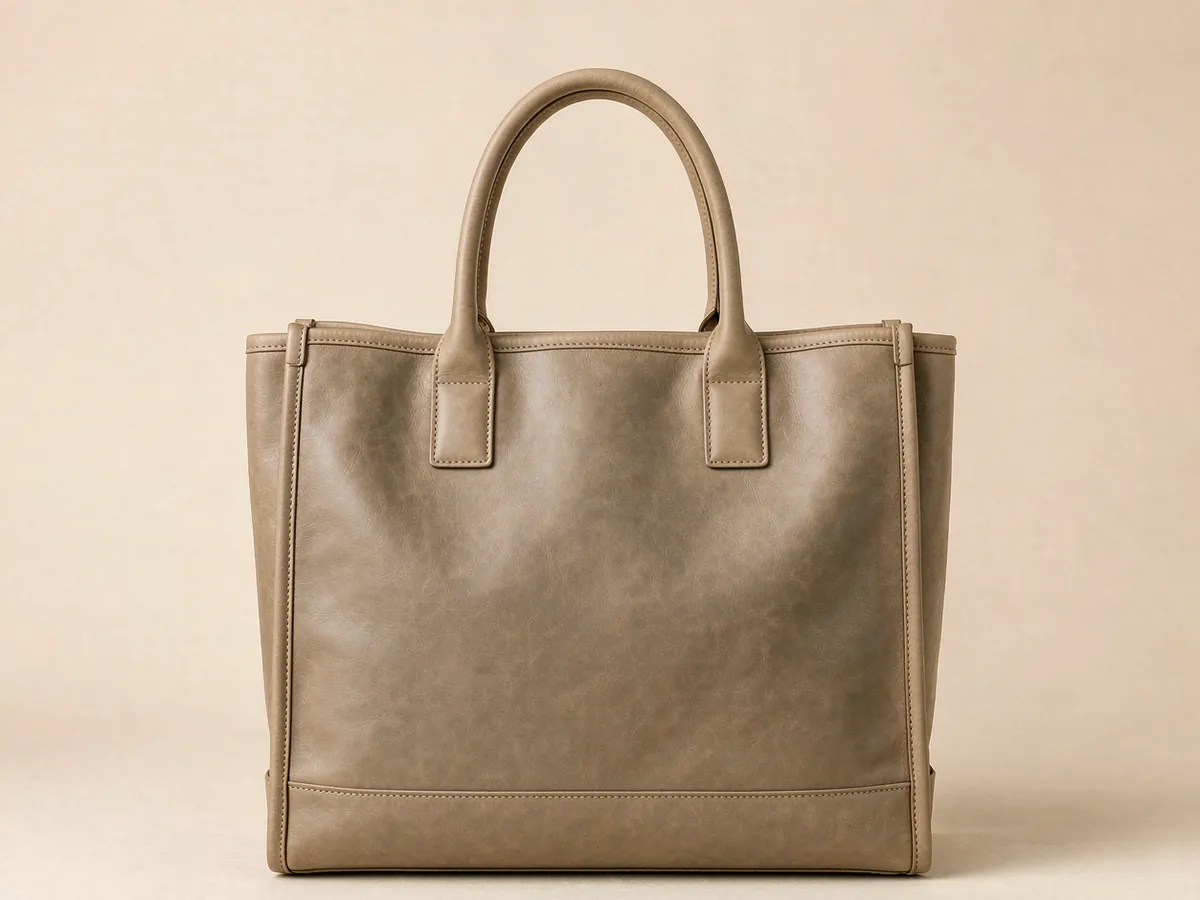
Reinforced top edge, box-stitched handles and a base that holds its shape under load.
More styles being catalogued
New photographs are added to this category as each style is photographed and its specification confirmed.
Ask about other stylesThat depends on the silhouette and the hand-feel you want. Softer hides drape into hobos; firmer ones hold a structured frame. We will propose options against your brief and confirm them on a physical sample.
We match to a physical reference on the actual hide and approve it on a sample. Leather takes dye differently between lots, so we will not promise an exact match from a screen image.
Blind emboss, foil or a metal plate are the common methods. Each needs its own tooling and position, decided before the sample is cut.
Send dimensions, material preferences and your target quantity. We reply with a specification-based quotation and the questions that still need answering.